Why I built Evidmark
I'm Umang Garg, a 5th year PhD researcher and teaching assistant at UC Santa Barbara. After grading engineering coursework, I kept returning to one question: how can the repetitive work become lighter without separating a decision from what the instructor taught?
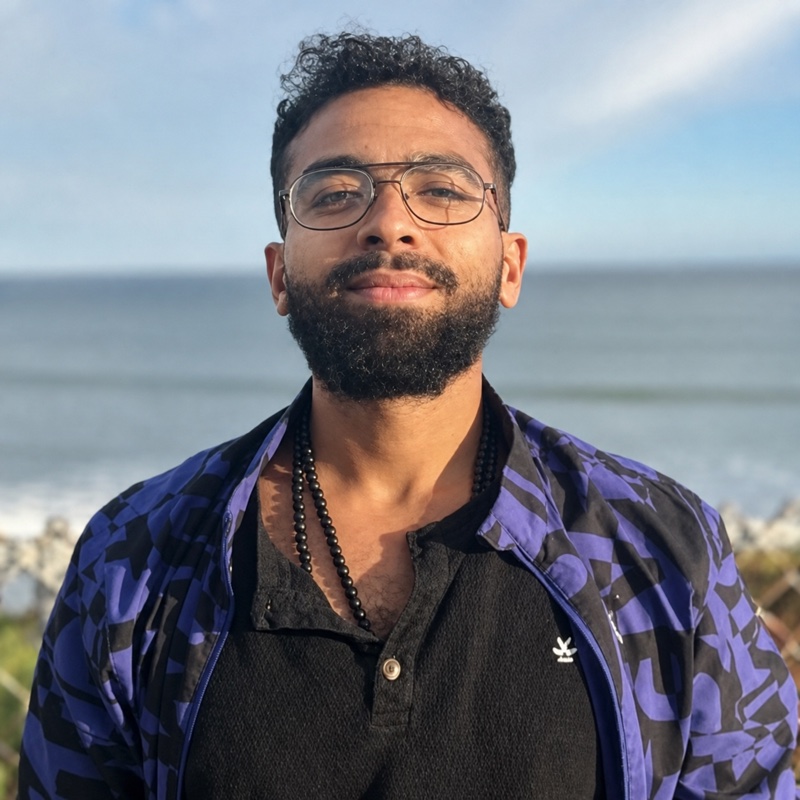
5th year PhD researcher, UC Santa Barbara
Grading is a chain of careful decisions
I had to find the relevant work, interpret the rubric in the context of the course, explain the score, and carry the same standard across a class. The work required judgment. Much of the preparation around that judgment was repeated.
I did not want faster answers. I wanted a better way to prepare each decision.
I put the time back into teaching and research
When repetitive grading work takes less of the day, I use that time where attention and presence matter more.
Answering questions, being more present in office hours, and following up where a student is stuck.
Writing more useful feedback and preparing explanations around class-wide misconceptions.
Creating more comprehensive section materials and covering difficult concepts in greater depth.
Protecting sustained research time from being fragmented by repeated grading operations.
A grading workflow that keeps its context
I wanted the assignment, solution, rubric, instructor guidance, and student evidence to remain connected. A proposed score should arrive with its reason. Uncertain work should return to the teaching team. The final decision should stay with them.
Evidmark began there
It is the workflow I wanted when careful grading met the limits of time.